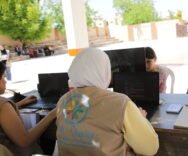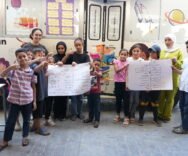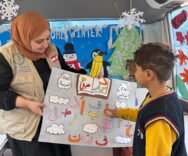
The Orphan Hope Program, funded by donor AMA, continues to provide critical support to vulnerable children, families, and orphans in Arsal, Bekaa, Beirut, Mount Lebanon, South Location, North Lebanon (Tripoli, Akkar) and their respective sub-division region through a structured, yearlong assistance initiative.
During the first three quarters (Q1,2,3), the program successfully reached 410 beneficiaries. Assistance focused on the provision of multi-purpose cash support to vulnerable and sponsored households, enabling families to address their most urgent needs. Alongside financial aid, the program implemented regular individual followups to monitor household conditions and track changes over time. Detailed progress reports were developed for each beneficiary, documenting how assistance was used and assessing its impact on living conditions.
The program maintained strict monitoring and verification processes to ensure transparency, accountability, and alignment with its objectives. Throughout implementation, principles of protection, dignity, and confidentiality were consistently upheld. Ongoing assessments also supported informed, needs based decision making by identifying and documenting household priorities.
In the following quarters (Q4,5,6), the program reached 383 beneficiaries, continuing the same comprehensive approach. Beneficiaries received multi-purpose cash assistance, coupled with continuous monitoring, individualized reporting, and needs assessments to ensure effective and responsive support.
During (Q7,8,9), the number of beneficiaries reached 353. The program sustained its core activities, including cash distribution, beneficiary follow-ups, and detailed reporting, while maintaining a strong focus on transparency and protection standards.
In the final quarter (Q10,11,12), the program continued delivering multipurpose cash assistance alongside its established monitoring and evaluation framework. Efforts remained centered on ensuring that aid was effectively utilized and that beneficiaries’ evolving needs were accurately assessed and addressed