According to UN women, nearly one quarter of all women and girls in Lebanon have been displaced, placing immense pressure on already fragile systems. Women and girls are among the most affected groups, with 85% living outside formal shelters. Many are staying in overcrowded apartments or informal arrangements, with Beirut and Mount Lebanon hosting the largest numbers, highlighting the urgent need for protection, services, and support.
Across Lebanon, the protection situation continues to deteriorate as displacement rises and vulnerable communities struggle to cope with the growing humanitarian crisis. Since early March, hundreds of thousands of women, men, and children have been forced to flee their homes, seeking safety in overcrowded shelters, informal settlements, and host communities. What many have lost goes beyond physical belongings, families have also lost their sense of security, stability, and dignity.
In these conditions, protection risks are rapidly increasing. Women and girls face heightened exposure to gender-based violence, exploitation, and harassment, especially in overcrowded and unregulated environments. Children are also deeply affected, not only by the disruption of their daily lives and education but by the psychological toll of conflict and displacement. Many are showing signs of distress, anxiety, and fear, with limited access to the support they urgently need.
Fatima, a 14-year-old girl living in one of the schools converted into a temporary shelter, embodies the challenges faced by displaced girls. She resides there with her siblings and more than 16 family members, sharing a small, overcrowded space. “Most girls here don’t feel comfortable, especially if they are wearing veils,” Fatima said. “We need safe spaces where we can feel protected and not judged. Girls are the ones most affected during wars, especially when it comes to safety and security. They have special needs that differ from boys. They need someone to support them, comfort them, and reassure them that everything will be okay.” Her story reflects the broader struggles faced by women and girls, who often experience fear and isolation in shelters that lack privacy and culturally sensitive spaces.
In response to these urgent needs, CVC Charity Lebanon has been actively intervening across multiple locations, providing critical protection-focused activities. Gabrielle Khazzaka, Protection Program Coordinator at CVC, explained:
“In overcrowded and unstable environments, protection concerns continue to rise while access to essential services remains limited. Every individual has the right to live safety and dignity. To make this possible, there is an urgent need to strengthen protection services, expand access to safe spaces, provide psychosocial support, and raise awareness on risks and rights, ensuring that the most vulnerable are protected, supported, and able to rebuild their lives.”
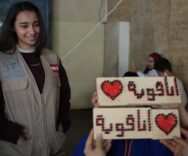
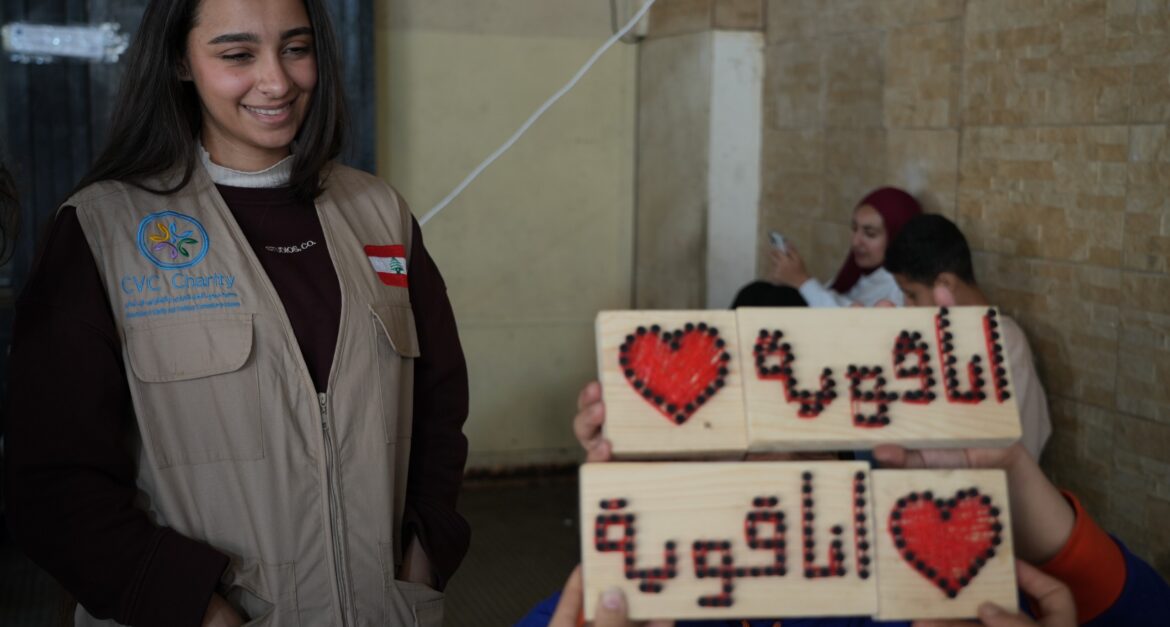
Through recreational sessions for children, CVC is creating safe spaces where women and children can play, express themselves, and temporarily escape the stress of displacement.
Between March and April 2026, CVC Charity Lebanon, with the support of Stitchting Vluchteling, conducted recreational activities for children in several shelters, including Sibline Public Mixed School, Ketermaya Public Mixed School, Tokyo in Ain El Mraisse, Al Iman Model Secondary School, and Omar Al Farroukh School, reaching a total of 441 children .These activities provided safe spaces for play, social interaction, and emotional relief, helping children cope with the stress and uncertainty of displacement.
In parallel, psychosocial support (PSS) sessions for women were held benefiting 52 women. offering a safe environment to address trauma, stress, and emotional well-being, empowering women to regain a sense of stability and resilience.
CVC also intervened in challenging shelter conditions, as the protection team stated that needs remain significant. Many shelters continue to lack adequate living conditions, with reports of unsafe infrastructure and insufficient privacy. Access to medical and health services. Hygiene supplies are also limited, further exacerbating health and protection risks.
The situation calls for immediate and coordinated action. Strengthening protection services is critical to ensure that vulnerable individuals are identified, supported, and empowered to rebuild their lives.