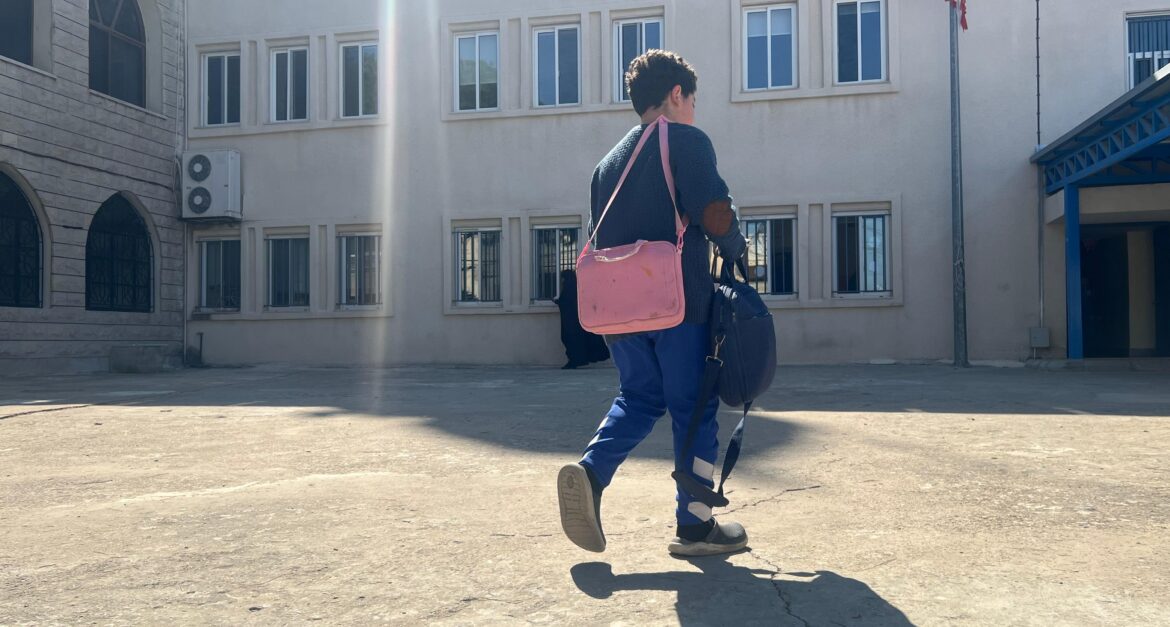
International law, including the Geneva Conventions and the UN Convention on the Rights of the Child, affirms that education is a fundamental right that must continue during emergencies, providing stability and protection for children even in conflict. However, Lebanon is facing an unprecedented education and humanitarian crisis as conflict in the region has forced mass displacement across the country. The system is under siege. Many are studying under impossible conditions, sharing overcrowded rooms, and trying to keep up with lessons amid trauma and uncertainty. As of 27 March 2026, Among the displaced, nearly 200,000 are students, spanning both school and university levels. In less than one month, one in five children in Lebanon has been uprooted from their homes, marking a sudden and chaotic wave of displacement that is severely affecting children and communities alike. So far, 22,500 children are currently living in shelters without access to formal education, while tens of thousands more remain outside shelters in equally precarious conditions. For many, this is the second, third, or even fourth time they have been uprooted, compounding psychological stress and trauma.
“The education system is under immense pressure, many children fled their homes without their school bags or notebooks,” said Mohammad Abdel Aziz, Education Program Manager at CVC. “ Across Lebanon, more than 800,000 students have been affected, both directly and indirectly. Many schools and educational institutions have been disrupted. Some classes have shifted to online learning, but internet access is limited, and many students cannot participate in virtual lessons.
Abdel Aziz added “ Even where schools have internet subscriptions, multiple siblings often have to attend online classes at the same time, making it difficult for each child to learn effectively”
Many displaced children are living on the streets, with no access to remote classrooms. They have no way to continue their education and are left without the tools, space, or support needed to learn.
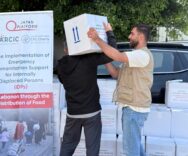
CVC has acted swiftly to address these urgent needs. As part of its emergency response, the organization has trained 25 teachers in public schools to use online tools for teaching, assessment, and monitoring student progress. These trainings equip educators to continue learning programs despite the challenging circumstances.
Beyond digital training, CVC launched their “school on a bus” project in Mount Lebanon. This mobile classroom travels between shelters, providing children with recreational activities in a safe environment where they can play, and receive psychosocial support.
One notable activity occurred during Teachers’ Day, when children expressed their feelings through art, creating drawings about fleeing war or their hopes and fears, as well as cards for their favorite teachers.
Sarah Alaa Eddine, Education Program Coordinator at CVC, emphasized the importance of safe spaces for learning: “The psychological state of every child is affected when they study in a room with at least 16 other children. It is much better to equip them with a safe space something like a library or a proper classroom . where they can focus and learn with dignity. She claimed that ” In Sibline public school alone, there are around 50 children seeking education, including school aged children preparing for official exams and university students. They urgently need dedicated learning spaces to continue their education safely.”
The challenge is urgent: provide safe classrooms, educational kits, reliable internet, and psychosocial support to ensure that no child loses the right to learn. Protecting education in Lebanon is more than a service . it is a commitment to the rights, safety, and future of an entire generation.